
Single-chip microcomputer USB virtual keyboard module, 50mm by 16mm compact PCB board with ATMEGA32U4 microcontroller for custom HID device programming and electronics prototyping, blue PCB


Single-chip microcomputer USB virtual keyboard module, 50mm by 16mm compact PCB board with ATMEGA32U4 microcontroller for custom HID device programming and electronics prototyping, blue PCB
USB Virtual Keyboard Module with ATMEGA32U4 Microcontroller for Custom HID Device Development

This USB virtual keyboard module presents a focused hardware solution for electronics developers and makers. Centred on the ATMEGA32U4 microcontroller, it provides the core circuitry needed to create programmable Human Interface Devices (HIDs) that interact with a computer via a standard USB connection. Its primary application is in prototyping custom input devices, such as specialised keyboards, game controllers, or macro pads, where off-the-shelf hardware does not meet specific project requirements. The module's compact 50mm by 16mm footprint is designed for easy integration into custom enclosures or larger electronic assemblies, offering a practical starting point for functional prototyping.
Features and Construction
The module is built on a dedicated printed circuit board that hosts the essential components for USB communication and program execution. Its design prioritises the core functionality required for HID projects, providing a stable platform without extraneous features. This approach makes it a straightforward component for those who understand their specific input device requirements and wish to implement them directly.
Material and Build
The foundation of the module is a standard fibreglass printed circuit board (PCB), which provides the physical structure and electrical pathways for all components. The key active component is the ATMEGA32U4 microcontroller, a chip from Microchip's AVR family known for its native USB support, which allows it to be recognised by a computer as a standard keyboard or mouse without additional USB interface chips. The board includes the necessary supporting circuitry, such as a USB connector, crystal oscillator for timing, and voltage regulation, to make the microcontroller operational when connected to a USB port's 5V power supply.
Size and Practical Fit
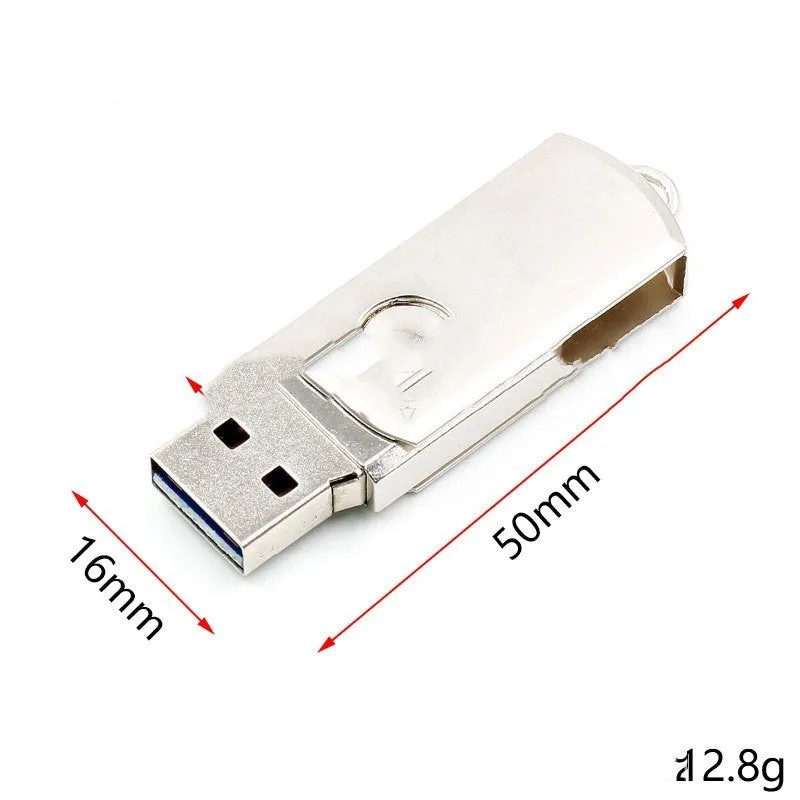
The module's dimensions are precisely 50mm in length and 16mm in width. This compact size is a significant practical consideration, as it allows the board to be fitted into a wide variety of project enclosures or embedded within other devices where space is limited. The small footprint means it can be used in portable custom input devices or integrated neatly into desktop control panels without dominating the internal layout. Designers must account for this size, along with the placement of the USB port and any required mounting holes, when planning their final product assembly.
Uses and Placement

This module serves as the functional heart of custom input device projects. Its programmability means its final use is defined by the developer's code, allowing for a high degree of specialisation. The typical placement is as the main control board inside a custom-built enclosure, connected to switches, sensors, or other input elements as defined by the project's needs.
Event or Professional Use
In professional or specialised event settings, this module can be the basis for robust, purpose-built control interfaces. Examples include dedicated shortcut keyboards for video editing suites, custom controllers for lighting or audio mixing equipment, or access devices for kiosks and interactive installations. The reliability of the underlying ATMEGA32U4 hardware and standard USB protocol ensures consistent performance in these controlled environments. Its use supports workflows that benefit from highly optimised, tactile input hardware tailored to specific software applications.
Everyday Home Use
For hobbyists and makers in a home workshop environment, the module enables the creation of personalised peripherals. Projects might include a compact macro pad for gaming or productivity, a unique keyboard with a non-standard layout, or an accessibility device configured for an individual's specific motor requirements. The module lowers the barrier to creating such devices by handling the complex USB communication protocol, allowing the maker to focus on the physical design of the interface and the logic of its operation.
Benefits and Buying Value
The value of this module lies in its specificity and its role as a foundational component. It provides a tested platform for a common development need, saving time and effort compared to designing a USB HID circuit from scratch. It is a product for those who have a clear vision for a custom input device and require reliable hardware to execute it.
Reuse and Low Maintenance
As a development board, the module is inherently reusable. The ATMEGA32U4 microcontroller can be reprogrammed countless times, allowing a single module to be used for prototyping multiple different devices or for iterating on a single design. Once a project is finalised, the same reliable hardware can continue to function in the finished product. Maintenance is minimal, typically involving only the stability of the solder joints and the integrity of the USB connection, which are standard considerations for any electronic device.
Why Choose This Product
This module is chosen for its direct alignment with a specific technical need: creating a programmable USB HID. Its advantages are its focused component selection around the capable ATMEGA32U4 chip and its compact, integration-friendly size. It is suitable for users who have the requisite programming knowledge to leverage its capabilities and who value a barebones, functional board over a more feature-rich but potentially more complex development kit. It represents a practical investment for bringing a custom input device concept to a working prototype.
