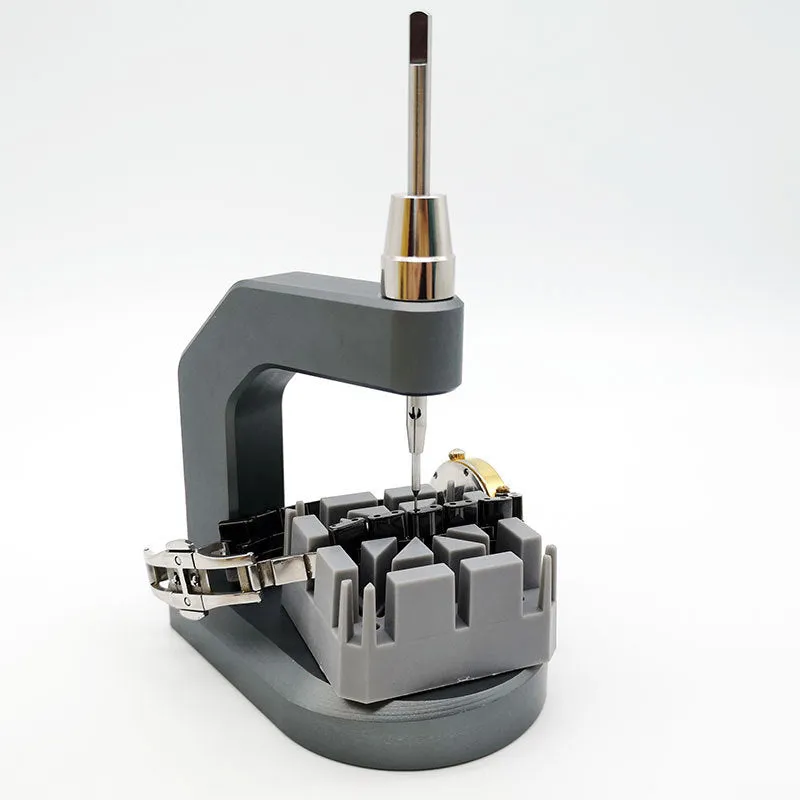
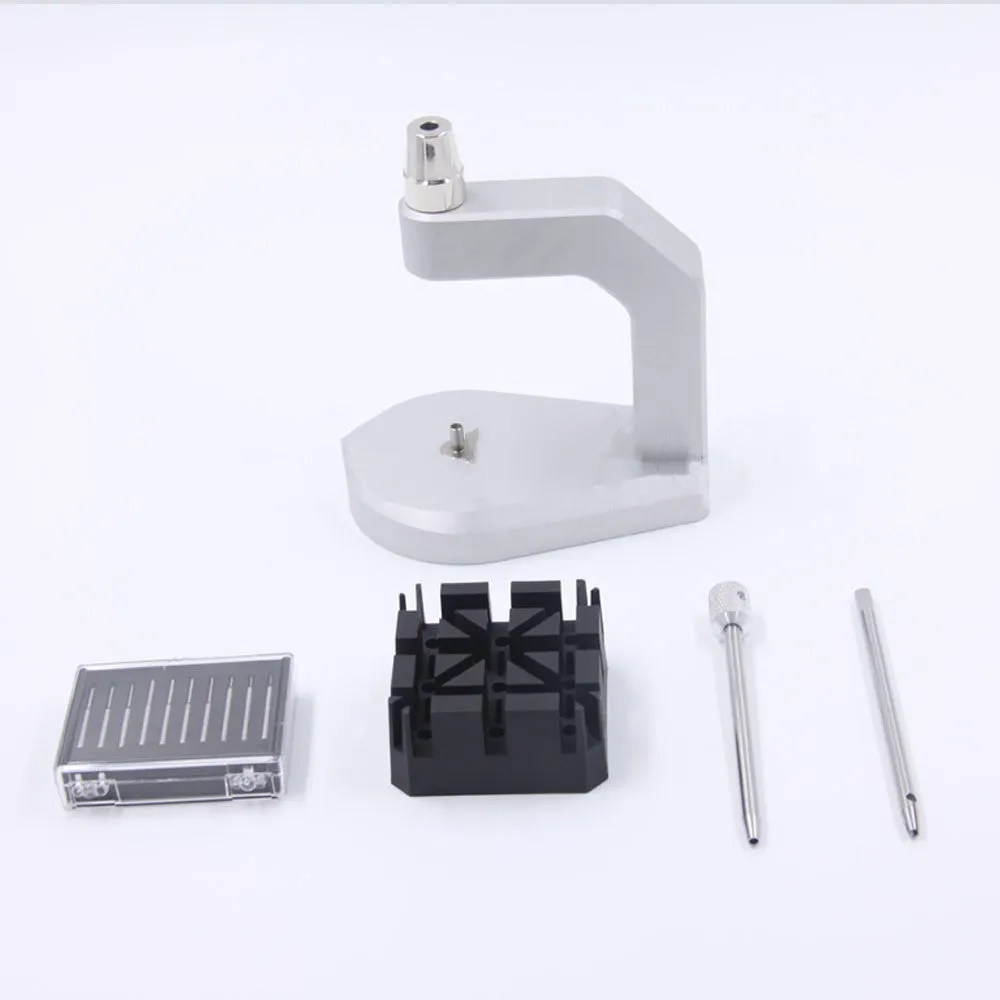
Multi-purpose press strap removal tool made from tool steel with 0.50-1.60mm blade specification for watch, jewellery, glasses and digital electronics repair work in silver finish


Multi-purpose press strap removal tool made from tool steel with 0.50-1.60mm blade specification for watch, jewellery, glasses and digital electronics repair work in silver finish
Multi-Purpose Press Strap Removal Tool in Tool Steel for 0.50-1.60mm Repair Work
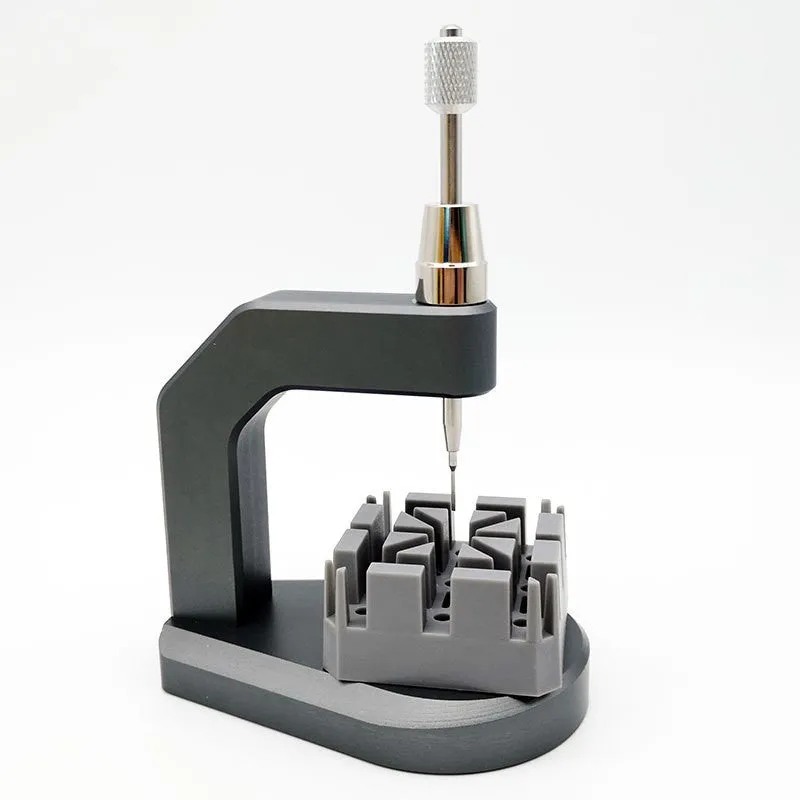
This press strap removal tool is a single-purpose implement designed for professionals and enthusiasts working across watchmaking, jewellery repair, optician services and digital electronics maintenance. Weighing 800 grams, it has a substantial feel in the hand, aiding controlled application of force during delicate prying and pressing operations. The tool's core value lies in its defined operational range, with a blade specification covering 0.50 to 1.60 millimetres, making it suitable for a specific set of tasks within these industries. Its construction from tool steel indicates a focus on durability and edge retention for repeated use, while the metric system compatibility ensures it aligns with technical standards used globally. Supplied in a practical silver finish, this tool is a functional addition to a repair kit where precision and material strength are primary concerns.
Features and Construction
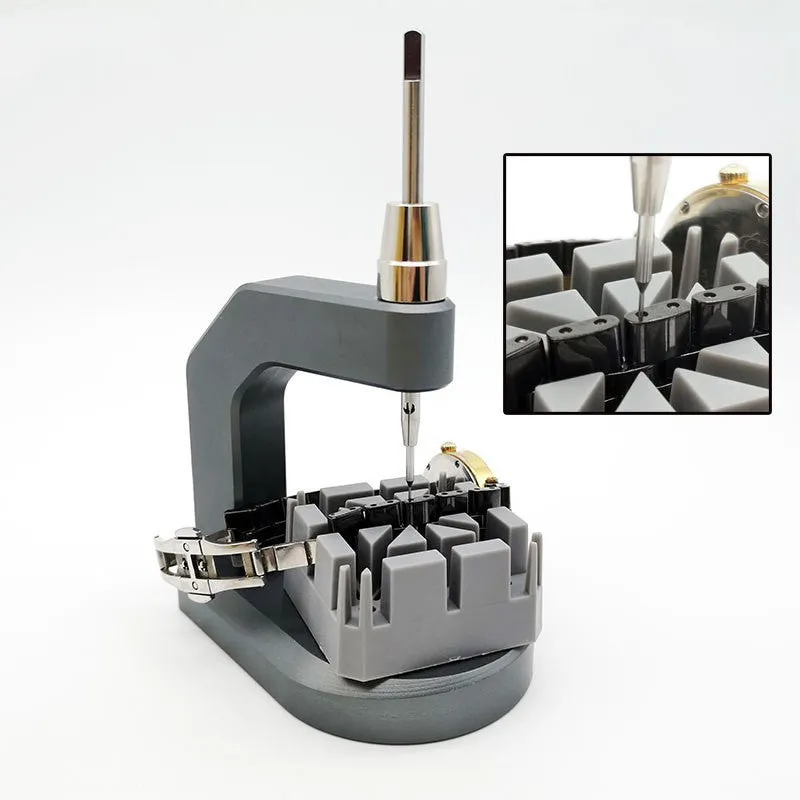
The tool is built around a clear set of specifications that define its use case and limitations. Its design prioritises functionality for specific repair scenarios rather than general-purpose utility. The weight and material choice directly influence how it handles during operation, affecting both control and fatigue during extended use sessions.
Material and Build
Constructed from tool steel, this removal tool is made from a material selected for its hardness and ability to withstand repeated stress without deforming. This is particularly relevant for the prying action required to separate watch strap pins or glasses frame components, where a softer metal might bend or notch. The silver finish is a standard, non-reflective coating often used on workshop tools to resist tarnishing and provide a neutral appearance. There is no information about handle coatings or ergonomic grips, suggesting the tool relies on its basic metal construction for all handling.
Size and Practical Fit
With an 800-gram weight, the tool has a noticeable heft that can aid in applying steady, downward pressure when pressing components together or apart. The blade specification of 0.50-1.60mm precisely defines the thickness of materials it is engineered to work with; using it on items outside this range may be ineffective or could damage the tool or component. This defined range makes it a specialist, rather than universal, tool. Its compatibility with the metric system means it is suited to markets and components using millimetre measurements, which is standard for the listed industries like watchmaking and electronics.
Uses and Placement
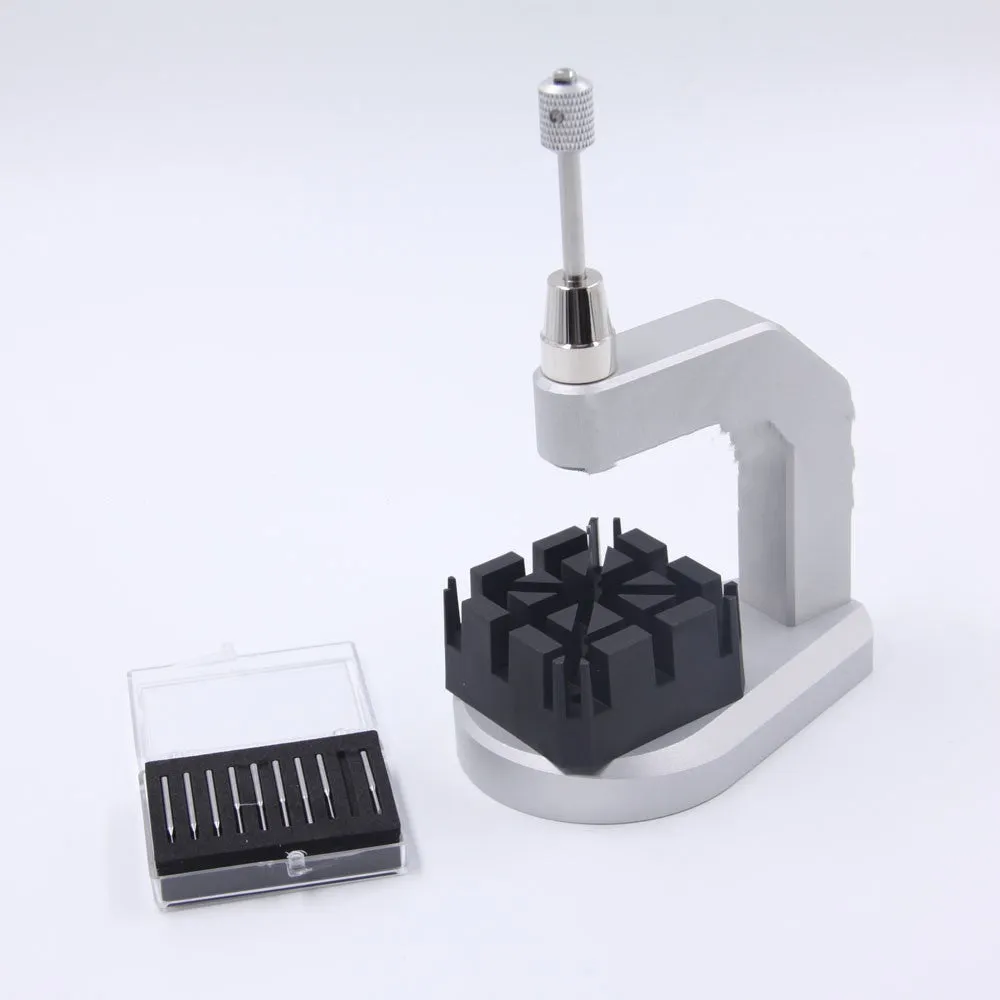
This tool's application is directly linked to the four industries mentioned: watches, jewellery, glasses and digital electronics. Each use case involves small, often valuable components where controlled force and precision are required to avoid damage. The tool's value is in providing a dedicated instrument for these specific tasks, potentially reducing the risk of improvised tools causing scratches or breakages.
Event or Professional Use
In a professional context, such as a watch repair workshop, jewellery bench or optician's practice, this tool would be part of a standard kit for tasks like removing watch strap spring bars, adjusting spectacle frame hinges, or prying open small electronic casings. Its single-unit supply suggests it is a core tool around which other, more specialist implements might be added. The defined blade range allows a technician to select it confidently for jobs within its parameters, knowing the force will be applied correctly. The metric system use ensures consistency with technical drawings and component sizes common in these trades.
Everyday Home Use
For the hobbyist or home enthusiast working on personal watches, simple jewellery repairs, or minor electronics fixes, this tool offers a purpose-made alternative to using improvised items like screwdrivers or knives. The tool steel construction means it is likely to last through occasional use without wearing out. The 800g weight provides enough mass to assist the user in operations like pressing a tight watch back into place, where hand strength alone might be insufficient. However, its specialist nature means it is not a general household tool and would be stored with other repair items.
Benefits and Buying Value
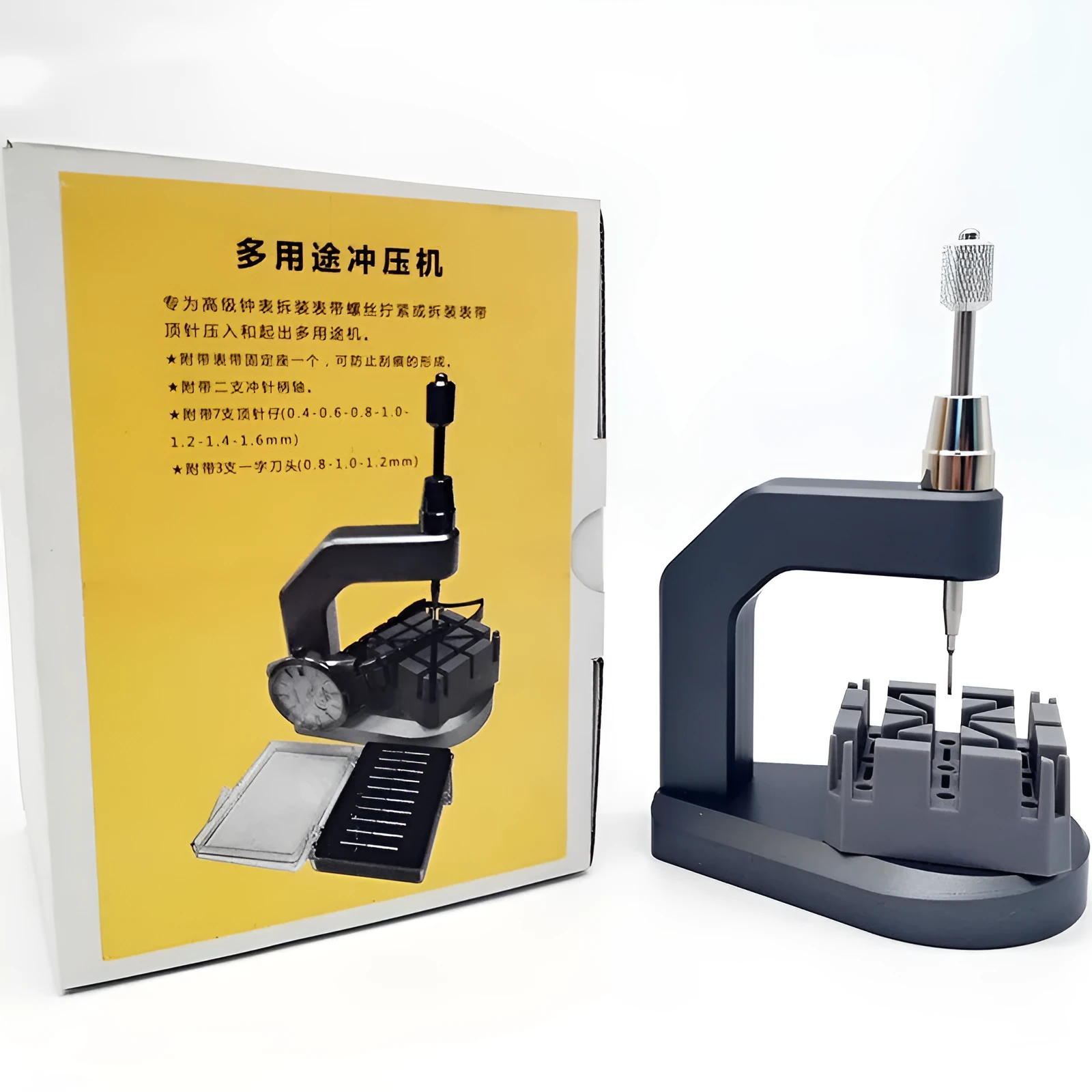
The primary benefit of this tool is its focused design for a set of related, delicate tasks. By providing a single tool with a defined capability, it removes guesswork and reduces the risk of using inappropriate implements that could slip or mar surfaces. Its value proposition is based on material durability and specification clarity rather than multi-function versatility.
Reuse and Low Maintenance
The tool steel construction suggests the tool is built for reuse over time. Tool steel is typically chosen for applications where the edge or working surface must resist wear. Maintenance would involve basic care: keeping it clean, dry and stored safely to prevent rust or damage to the working edge. No specialist sharpening or servicing instructions are provided, implying the tool is expected to function with minimal upkeep under normal workshop conditions. Its durability is a key part of its long-term value, especially for professionals who would use it frequently.
Why Choose This Product
This tool is chosen for its explicit specifications and material. The 0.50-1.60mm blade range clearly communicates what it can and cannot do, allowing informed purchase decisions. The tool steel material indicates a build that prioritises long-term functionality over low initial cost. For someone regularly performing repairs within watch straps, jewellery clasps, glasses frames or small electronics, having a dedicated, correctly specified tool can improve both the ease and quality of the work. It represents a focused investment for a specific set of tasks, not a general toolkit addition.