Car heater long small four hole copper pipe water tank 12V 24V 60W manual adjustment auxiliary heating system metal construction for vehicle cabin and windscreen de-icing


Car heater long small four hole copper pipe water tank 12V 24V 60W manual adjustment auxiliary heating system metal construction for vehicle cabin and windscreen de-icing
12V 24V 60W Metal Car Heater with Four-Hole Copper Pipe Radiator for Auxiliary Cabin Heating
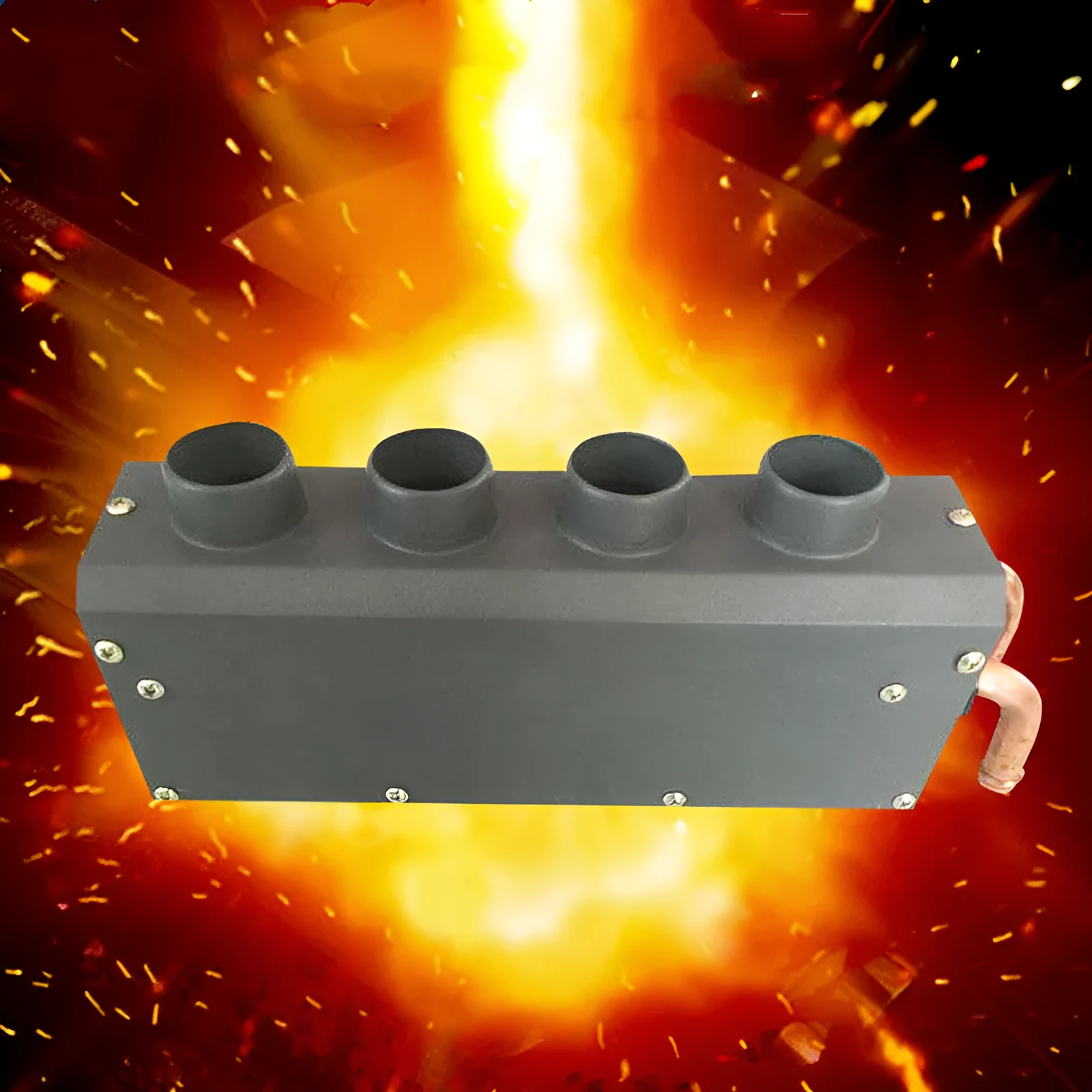
This auxiliary car heating system offers a method to increase passenger comfort during cold weather by repurposing a resource already generated by your vehicle. It functions by tapping into the warm coolant circulating through your engine's cooling system. The unit features a compact metal housing containing a copper pipe radiator. A manually adjustable DC blower motor then forces air across this warmed radiator, delivering heated air into the vehicle cabin. This process provides a source of warmth independent of the vehicle's primary climate controls and can also be directed to aid in demisting and de-icing the windscreen, enhancing visibility and safety.
Features and Construction
The heater's design is focused on practical integration with a vehicle's existing systems. Its core function is heat exchange, facilitated by specific materials and a form factor suited to under-dashboard or engine bay installation where space is often limited.
Material and Build
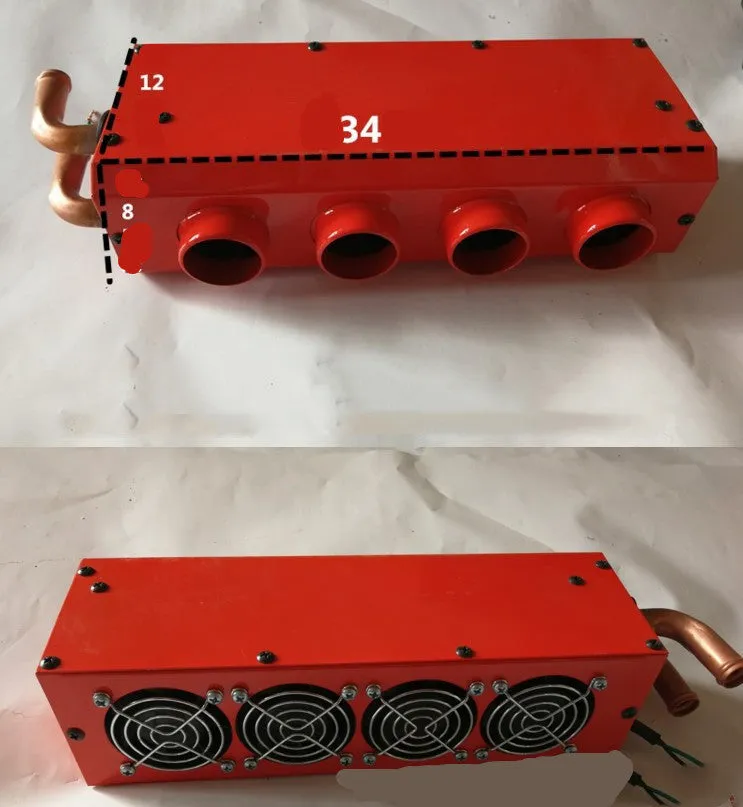
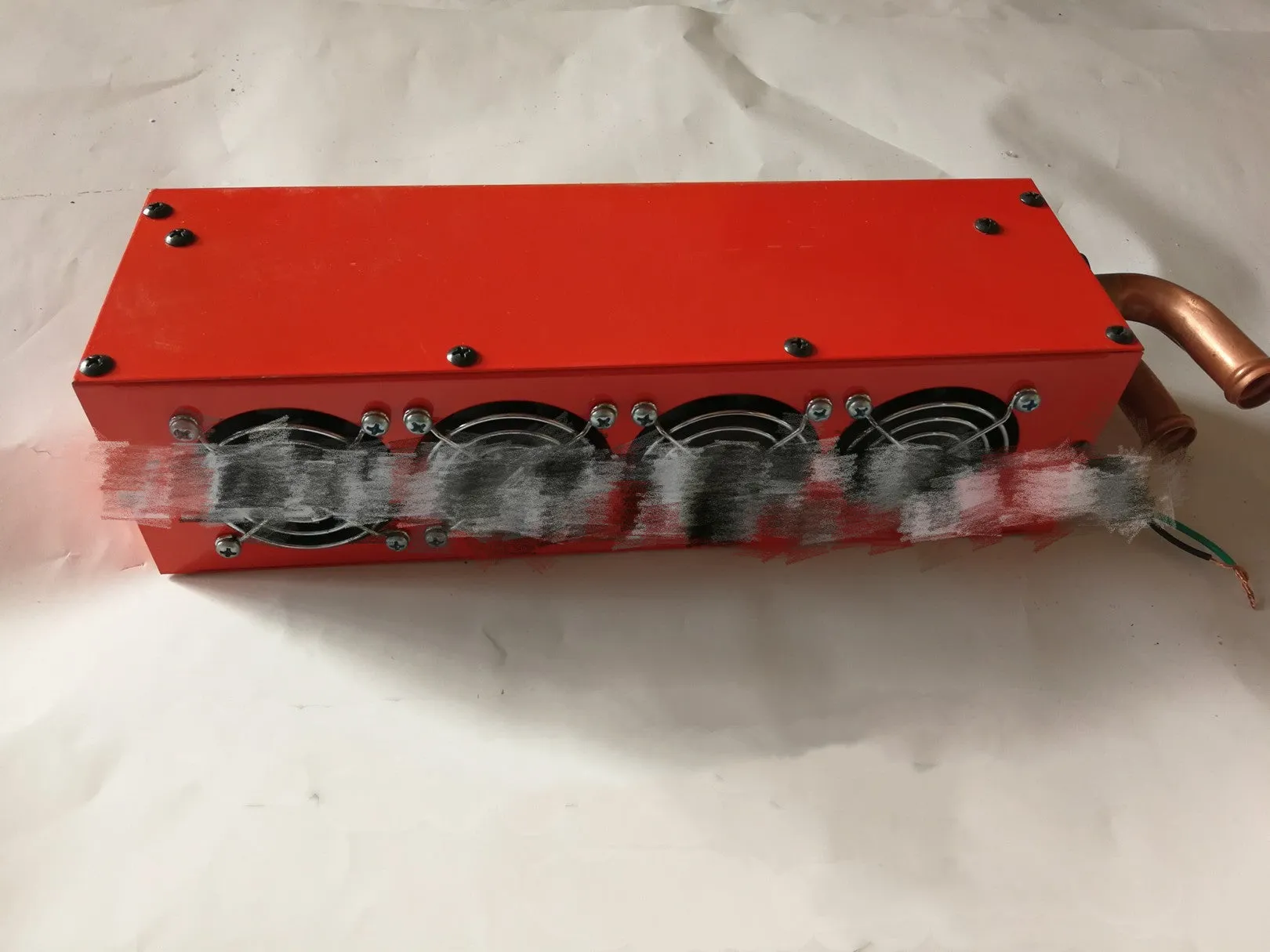
The heater unit is built with a metal chassis and housing, providing a robust enclosure for its internal components. The key heat exchange element is a radiator constructed from copper pipe, arranged in a four-hole configuration. Copper is commonly used in heating applications due to its excellent thermal conductivity, helping to transfer heat efficiently from the circulating engine coolant to the air being moved by the blower. The entire assembly is supplied as a single, pre-assembled unit ready for installation.
Size and Practical Fit
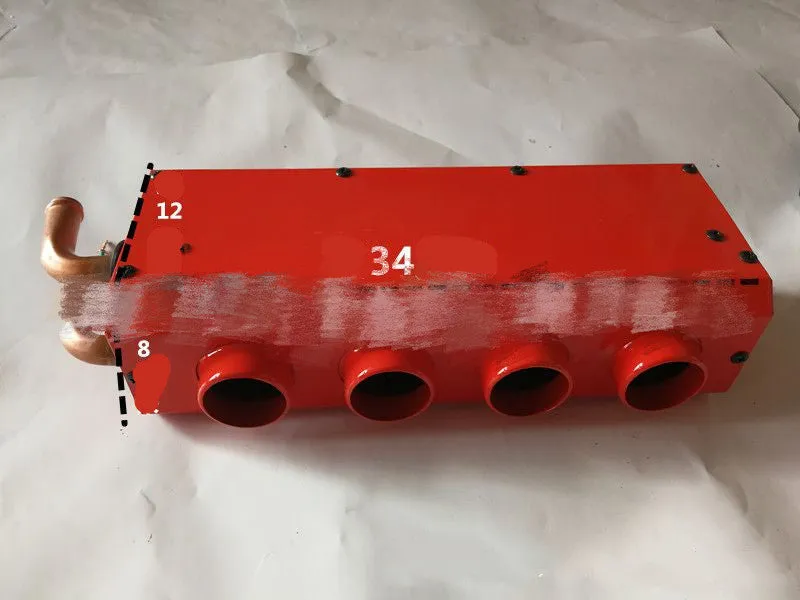
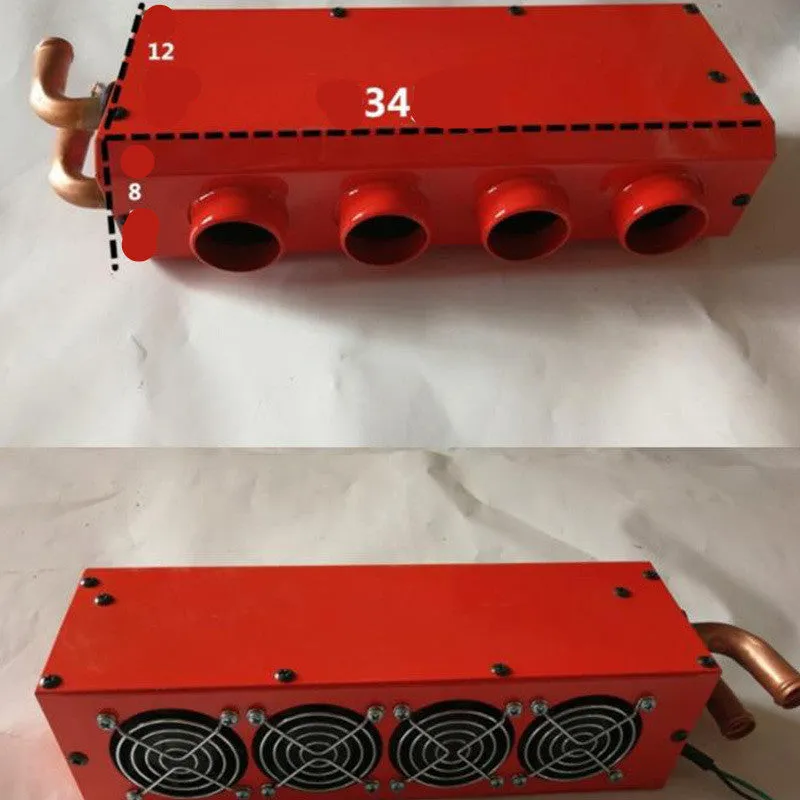
With external dimensions of 34 centimetres in length, 12 centimetres in height, and 8 centimetres in depth, the heater presents a relatively compact profile. This size allows for flexibility during installation, as it can be fitted in various locations within the vehicle's interior or engine compartment, subject to space and hose routing considerations. The unit includes two water pipe connection points, an inlet and an outlet, which are plumbed into the vehicle's engine coolant circuit.
Uses and Placement
This product serves a dual purpose within a vehicle environment. Its primary role is comfort-focused, while a secondary application addresses a common safety concern in colder climates, making it a versatile addition for drivers.
Event or Professional Use
For vehicles that may be stationary with the engine idling for extended periods, such as mobile workshops, security patrol vehicles, or camping setups, this heater can provide sustained cabin warmth without relying solely on the main vehicle heater. This can help conserve fuel compared to running the main HVAC system at full power. The manual adjustment allows the occupant to tailor the heat output to the specific need, whether maintaining a comfortable temperature during a long wait or providing a burst of warmth.
Everyday Home Use
For daily commuting and personal vehicle use, this auxiliary heater acts as a supplement to the factory-fitted heating system. It can provide faster warm-up times for the cabin by delivering heat as soon as the engine coolant begins to warm, independent of the main blower system. Furthermore, the ability to direct warm air onto the windscreen makes it a practical tool for quickly clearing morning frost or condensation, improving driver visibility and safety during the initial minutes of a journey.
Benefits and Buying Value
The value of this product lies in its functional reuse of existing vehicle energy and its focused application. It is a dedicated system for a specific task, which can offer reliability and direct control where it is most needed.
Reuse and Low Maintenance
The core advantage of this system is its use of waste heat. It does not generate heat independently but efficiently reclaims thermal energy from the engine's cooling system that would otherwise be dissipated to the atmosphere via the main radiator. This makes it an energy-conscious addition. Once professionally installed and the system is properly bled of air, it requires minimal ongoing maintenance beyond the standard checks applied to a vehicle's cooling system, as it becomes an integrated part of that circuit.
Why Choose This Product
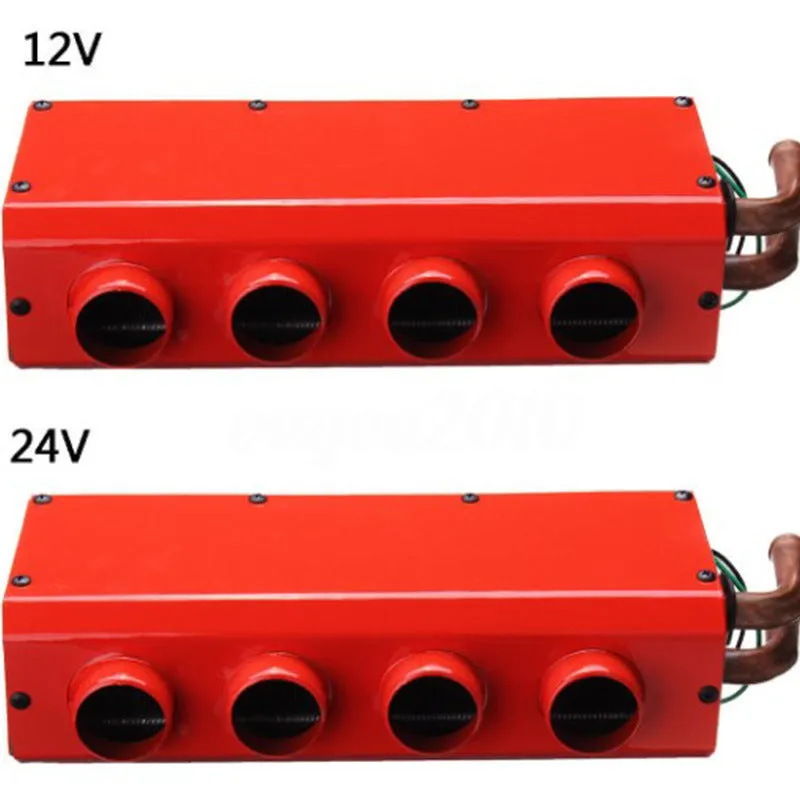
This heater is chosen for its specific construction and compatibility. The copper pipe radiator is selected for effective heat transfer. The dual voltage support (12V or 24V) broadens its applicability across different vehicle types, from standard passenger cars to some larger trucks or commercial vehicles. The 60W power draw at 5A is manageable for most vehicle electrical systems. It provides a targeted solution for drivers seeking enhanced cabin heating capability or more effective windscreen de-icing, particularly in climates where these are frequent concerns.