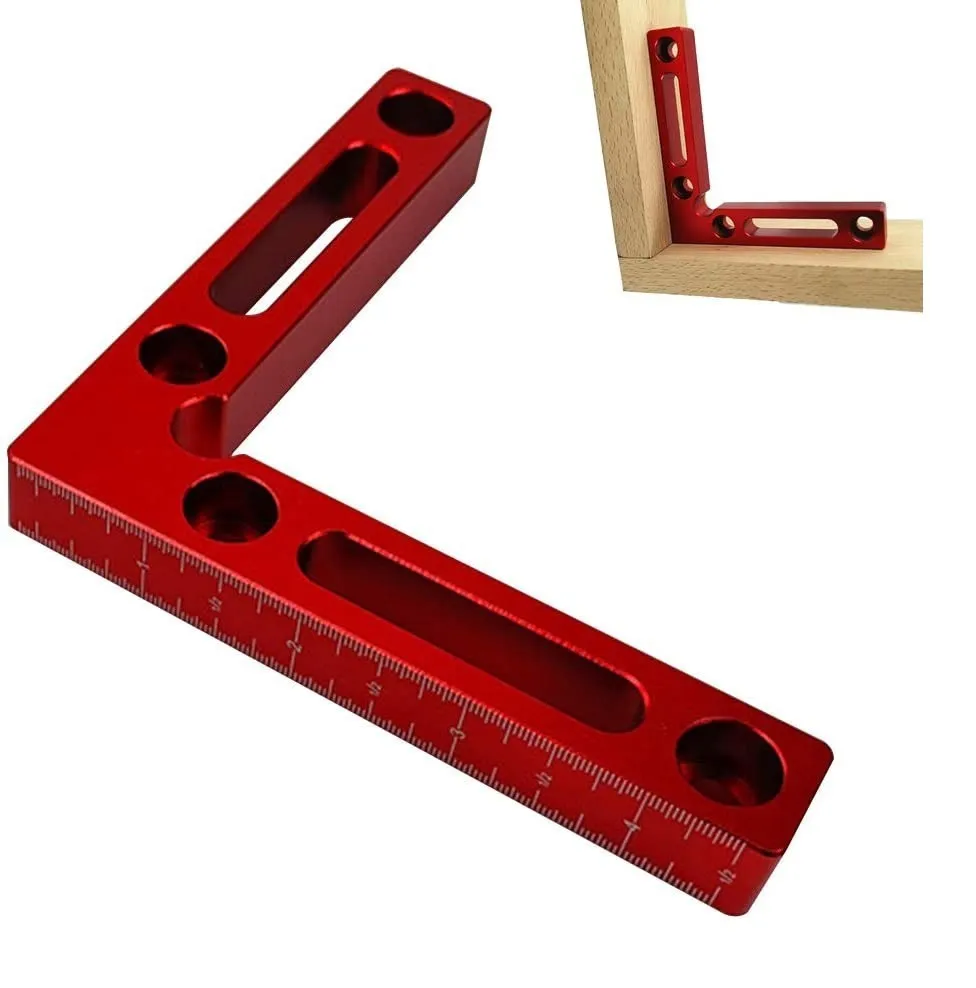
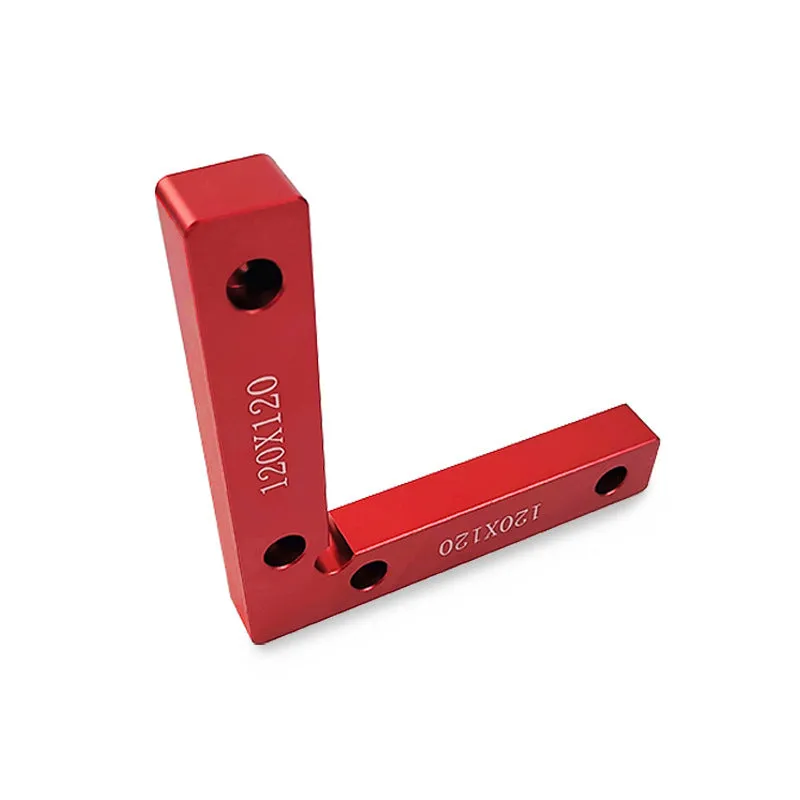
Aluminium alloy right angle positioning fixture block for woodworking jigs, includes accurate scale and two size options for precise 90-degree jigsaw clamp assembly in sizes 100mm and 120mm


Aluminium alloy right angle positioning fixture block for woodworking jigs, includes accurate scale and two size options for precise 90-degree jigsaw clamp assembly in sizes 100mm and 120mm
Aluminium Alloy Right Angle Fixture for Precise 90-Degree Woodworking Jigs

For woodworkers and makers, achieving a perfect 90-degree angle is fundamental to building accurate jigs, cabinets, and frames. This aluminium alloy positioning fixture block is engineered to provide a reliable, machined reference square, eliminating guesswork during assembly. It is specifically designed as a fixing aid for woodworking jigsaws, offering a solid foundation for clamping setups. The inclusion of an accurate scale on the block further aids measurement, making it a practical tool for ensuring components are aligned correctly and consistently across projects, from simple boxes to complex joinery jigs.
Features and Construction
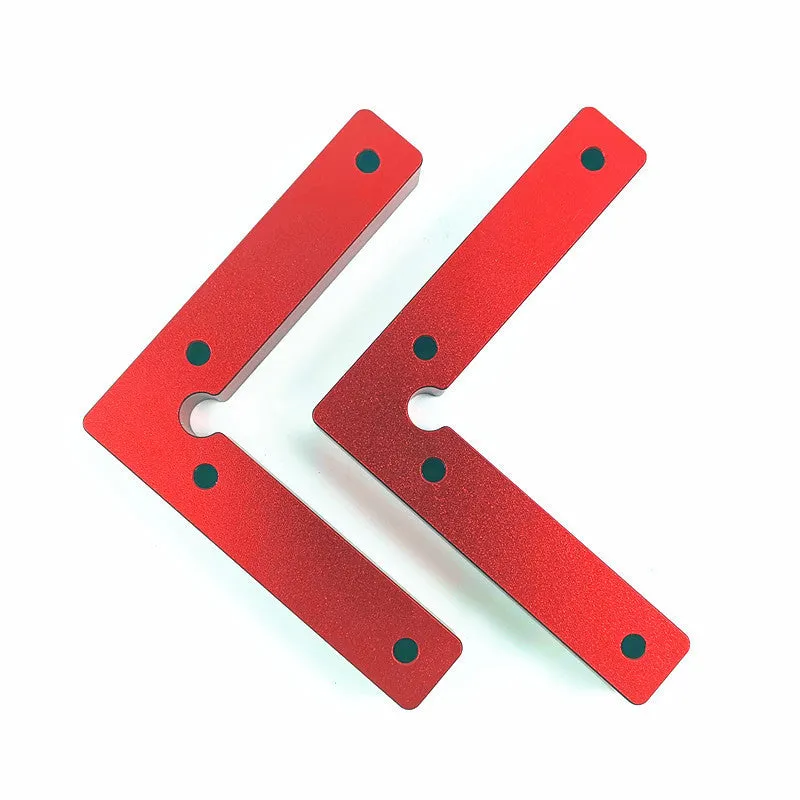
This fixture prioritises precision and utility in its design, constructed from a single material and offered in two standard sizes to suit different workshop needs.
Material and Build
The block is precision-manufactured from aluminium alloy 6061. This alloy is widely used in engineering and fabrication due to its excellent strength-to-weight ratio and good machinability, which allows for the creation of components with tight tolerances. The choice of this material results in a fixture that is both lightweight for easy handling and rigid enough to resist flexing under clamping pressure, ensuring the reference angle remains true during use.
Size and Practical Fit
The product is available in two primary square size configurations: a 100x100mm right angle and a 120x120mm right angle. These dimensions refer to the internal corner formed by the two arms of the L-shaped block. The overall physical dimensions of the block are consistent across both variants, with a depth of 40mm, a height of 130mm, and a length of 210mm. This sizing provides a substantial contact surface for stability while remaining compact enough for storage in a tool drawer or on a bench.
Uses and Placement

This tool is designed for a specific role in the workshop, bridging the gap between a simple square and a dedicated jig component.
Event or Professional Use
In professional workshop settings or during intensive project builds, this fixture acts as a permanent setup aid. It can be incorporated into a custom jig baseplate for a table saw or router, ensuring repeated cuts are perfectly square. Its aluminium construction means it can be drilled and tapped for secure fastening if required, integrating it into a larger, more complex workholding system for batch production or precise repetitive tasks.
Everyday Home Use
For the home woodworking enthusiast, it serves as a quick-reference tool for assembling boxes, picture frames, or small cabinets. When clamping two pieces together, placing the fixture in the internal corner guarantees a right angle before tightening the clamps. The integrated scale allows for quick layout checks, making it a versatile addition to a basic tool kit that enhances accuracy without requiring specialist skill or expensive machinery.
Benefits and Buying Value
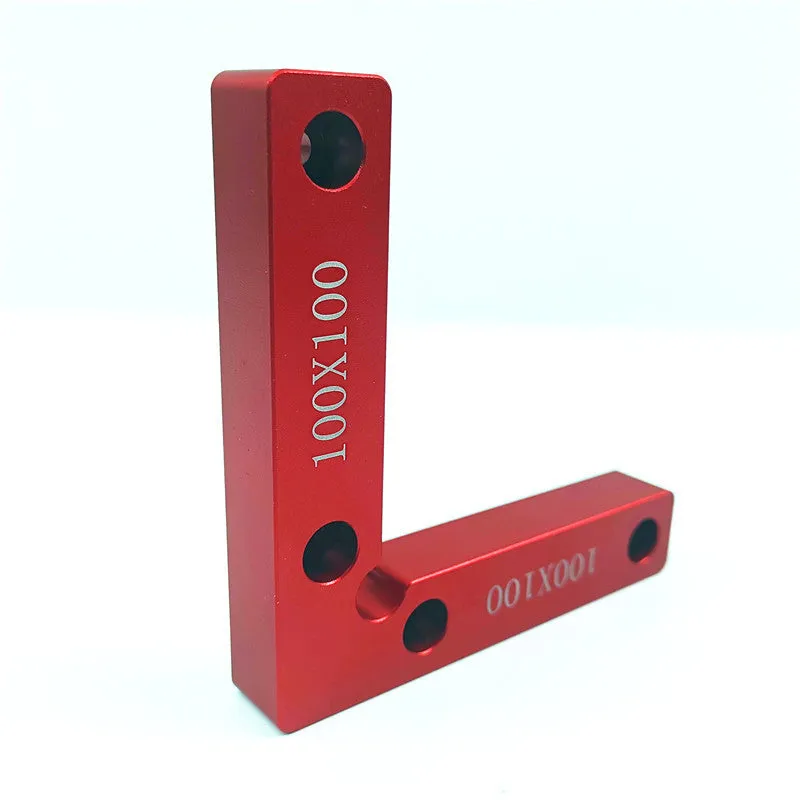
The value of this product lies in its focused functionality, material choice, and the time it saves by improving accuracy from the outset of a project.
Reuse and Low Maintenance
As a solid metal tool, it is built for long-term reuse across countless projects. Aluminium does not rust, so maintenance is minimal—simply wiping it clean after use is sufficient. Its durability means it won't wear out or lose its squareness through normal use, providing a reliable reference point in the workshop for years, which represents a strong return on investment for a dedicated woodworker.
Why Choose This Product
This right angle fixture offers a concrete solution where a standard try square might be impractical for clamping or integrated jig work. The choice between the 100mm and 120mm sizes allows you to select the tool best suited to your common project scales. Its all-metal construction and machined accuracy provide confidence that the angle is true, directly addressing the core need for precision in woodworking without superfluous features or complex adjustments.